
Learning how to invoice companies effectively is one of the most valuable skills a business owner can develop. A professional invoice does far more than request payment—it establishes credibility, reduces confusion, improves customer relationships, and helps ensure you get paid on time. Whether you are a freelancer, contractor, consultant, manufacturer, or service provider, your invoicing process directly impacts cash flow.
Many businesses spend significant time generating sales but give little attention to the billing process. Unfortunately, invoices that are incomplete, inaccurate, or sent late often result in delayed payments. Understanding how to invoice companies properly can dramatically improve collections while reducing administrative work.
Start with a Professional Invoice Template
Every invoice should include:
- Business name, address, phone number, and email address
- Customer information
- Invoice number
- Issue date and payment due date
- Detailed descriptions of goods or services
- Quantities and pricing
- Taxes when applicable
- Total amount due
Consistency makes accounting easier for both parties.
Assign Unique Invoice Numbers Using a Logical Numbering System
Sequential numbering improves organization, simplifies audits, and allows customers to reference invoices quickly when questions arise.
Describe Products or Services Clearly
Instead of generic descriptions like ‘services rendered,’ specify exactly what was delivered, including dates, hours, quantities, purchase order references, or project milestones.
Define Payment Terms Before Beginning Work
Common terms include Net 15, Net 30, or payment due upon receipt. Stating payment expectations in contracts and repeating them on invoices helps eliminate misunderstandings.
Send Invoices Promptly
Waiting several days or weeks after completing work delays the payment cycle unnecessarily. Many successful businesses invoice immediately after delivering products or reaching agreed milestones.
Offer Multiple Payment Methods Whenever Possible
ACH transfers, online payment portals, credit cards, and electronic payments reduce friction and often shorten payment times compared with paper checks.
Review Every Invoice Before Sending It
Small mistakes such as incorrect addresses, purchase order numbers, pricing errors, or tax calculations can cause invoices to be rejected and returned for correction.
Track Invoice Status Carefully
Knowing which invoices are sent, viewed, due soon, overdue, or paid allows businesses to follow up professionally before accounts become seriously delinquent.
Automate Recurring Invoices
Automate recurring invoices when working with subscription clients or ongoing service agreements. Automation saves time while ensuring invoices are never forgotten.
Follow Up Politely
Many late payments result from simple oversight rather than unwillingness to pay. Friendly reminders before and after due dates often resolve delays without harming relationships.
Maintain Organized Documentation
Keep signed contracts, delivery confirmations, time records, emails, and purchase orders associated with every invoice. Good documentation supports faster dispute resolution.
Watch for Customer Invoicing Requirements
Larger corporations often require vendor registration, purchase order references, specific invoice formats, or submission through supplier portals. Missing these requirements can delay payment even if the work was completed perfectly.
Evaluate Your Invoicing Process Regularly
Measure average days to payment, dispute frequency, overdue balances, and collection success. Continuous improvement strengthens cash flow over time.
Checklist: How to Invoice Companies Successfully
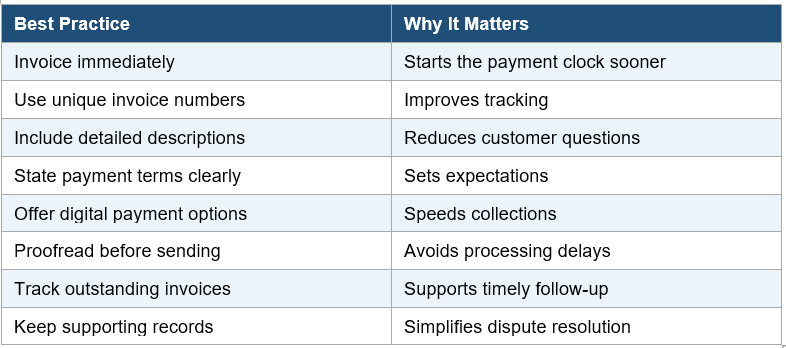
Businesses researching how to invoice companies often discover that successful invoicing is built on consistency rather than complexity. Using standardized templates, communicating payment expectations early, submitting invoices promptly, and following up professionally can significantly reduce outstanding receivables. Over time, disciplined invoicing practices improve customer confidence, simplify bookkeeping, strengthen forecasting, and create healthier cash flow for businesses of every size.
Final Thoughts
Mastering how to invoice companies is not simply an accounting task—it is a competitive advantage. Clear documentation, timely billing, organized recordkeeping, and courteous communication help businesses receive payments faster while maintaining positive customer relationships. By implementing these best practices consistently, organizations can spend less time chasing payments and more time focusing on growth.