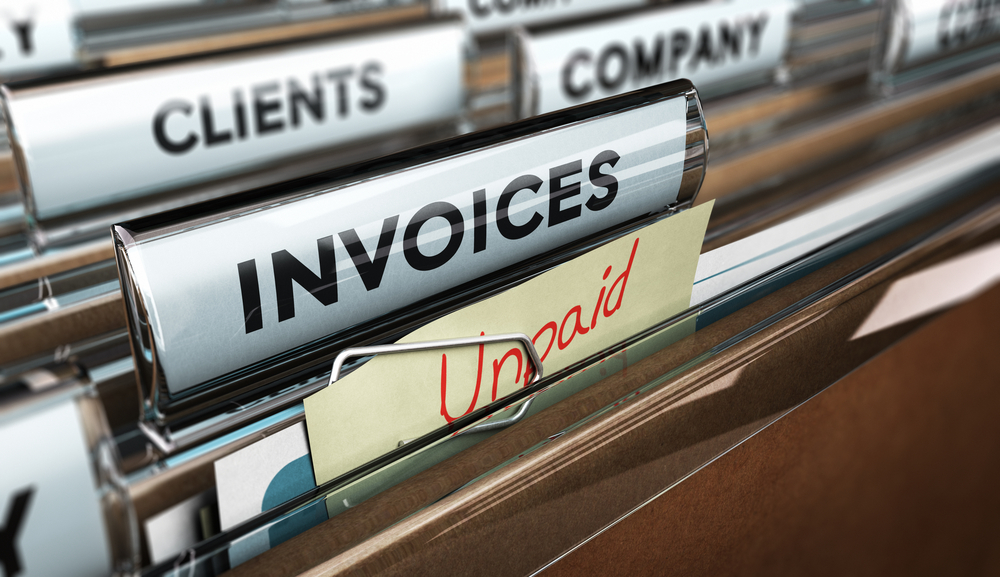
For many businesses, waiting on unpaid invoices is an accepted part of operations. Payment terms of 30, 60, or even 90 days have become standard across industries. Yet what is often overlooked is the true cost of that wait. Beyond the obvious delay in receiving cash, unpaid invoices can quietly restrict growth, strain operations, and introduce unnecessary risk into an otherwise healthy business.
The Opportunity Cost of Delayed Payments
At first glance, an unpaid invoice might simply appear as a timing issue. A client will pay eventually, and the revenue is already accounted for. However, this perspective fails to consider the opportunity cost. Every dollar tied up in accounts receivable is a dollar that cannot be used to:
- invest in inventory
- meet payroll
- pursue new business opportunities
Cash Flow: The Lifeblood of Your Business
For small and mid-sized businesses in particular, cash flow is not just a financial metric—it is the lifeblood of the organization. Waiting on unpaid invoices can create a domino effect. Vendors may need to be paid before customers settle their balances. Employees expect consistent paychecks. Growth initiatives require upfront investment. When cash is delayed, every aspect of the business feels the pressure.
Operational and Psychological Impact of Unpaid Invoices
The operational impact is equally significant. Business owners and finance teams often spend valuable time following up on outstanding invoices, sending reminders, and managing collections. This administrative burden pulls focus away from revenue-generating activities and strategic decision-making.
There is also a psychological cost. Uncertainty around when payments will arrive can make it difficult to plan effectively. Businesses may hesitate to take on new projects or expand operations because they are unsure whether they will have the cash available to support those decisions. Over time, this hesitation can limit a company’s ability to compete and grow.
Modern Solutions to Accelerate Cash Flow
So how can businesses address the challenges of waiting on unpaid invoices without disrupting client relationships? The answer lies in rethinking how accounts receivable are managed and leveraging modern financial tools designed to accelerate cash flow.
One increasingly popular solution is invoice factoring. By converting unpaid invoices into immediate working capital, businesses can eliminate the waiting period entirely. Instead of relying on customers to pay on their timeline, companies gain access to funds within days. This shift not only stabilizes cash flow but also enables more proactive financial management.
Unlike traditional financing, factoring is based on the strength of a company’s receivables rather than its credit history. This makes it an accessible option for businesses that are growing quickly or operating in industries with long payment cycles. It also allows companies to scale without taking on additional debt, preserving balance sheet health while improving liquidity.
Another advantage is the ability to outsource collections. Many factoring providers handle invoice follow-up and payment processing, reducing the internal workload for business teams. This allows organizations to focus on what they do best—serving customers and driving growth.
Rethinking Accounts Receivable for Long-Term Growth
Of course, not every business will require factoring, and it is important to evaluate the costs and benefits carefully. However, the broader lesson remains: waiting on unpaid invoices should not be treated as an unavoidable reality. With the right strategies in place, businesses can take control of their cash flow rather than being controlled by it.
In a competitive business environment, speed and agility are critical. Companies that can access capital quickly are better positioned to:
- seize opportunities
- navigate challenges
- build long-term resilience
By addressing the inefficiencies associated with unpaid invoices, businesses can unlock a more stable and scalable path forward.
Ultimately, the question is not whether your customers will pay—it is whether your business can afford to wait. For those looking to strengthen their financial foundation, rethinking the role of accounts receivable may be one of the most impactful decisions they can make.